
2-Ethylhexyl Acrylate (2-EHA)
2-EHA
CAS103-11-7FormulaC11H20O2
2-Ethylhexyl Acrylate (2-EHA) is listed in the esters family for film formation and synthesis intermediate. Typical uses include adhesives, coatings, printing inks and treatments. It is used in coatings & construction and plastics & polymers. Appearance: colorless liquid.
- GHS signal word
- Warning
- HS code
- 2916.12
- Molecular weight
- 184.27 g/mol
- Catalog code
- CTX-103-11-7
Properties
Typical values for reference, not a guaranteed specification.
- Solubility
- < 1 mg/mL at 22 °C
- Physical Description
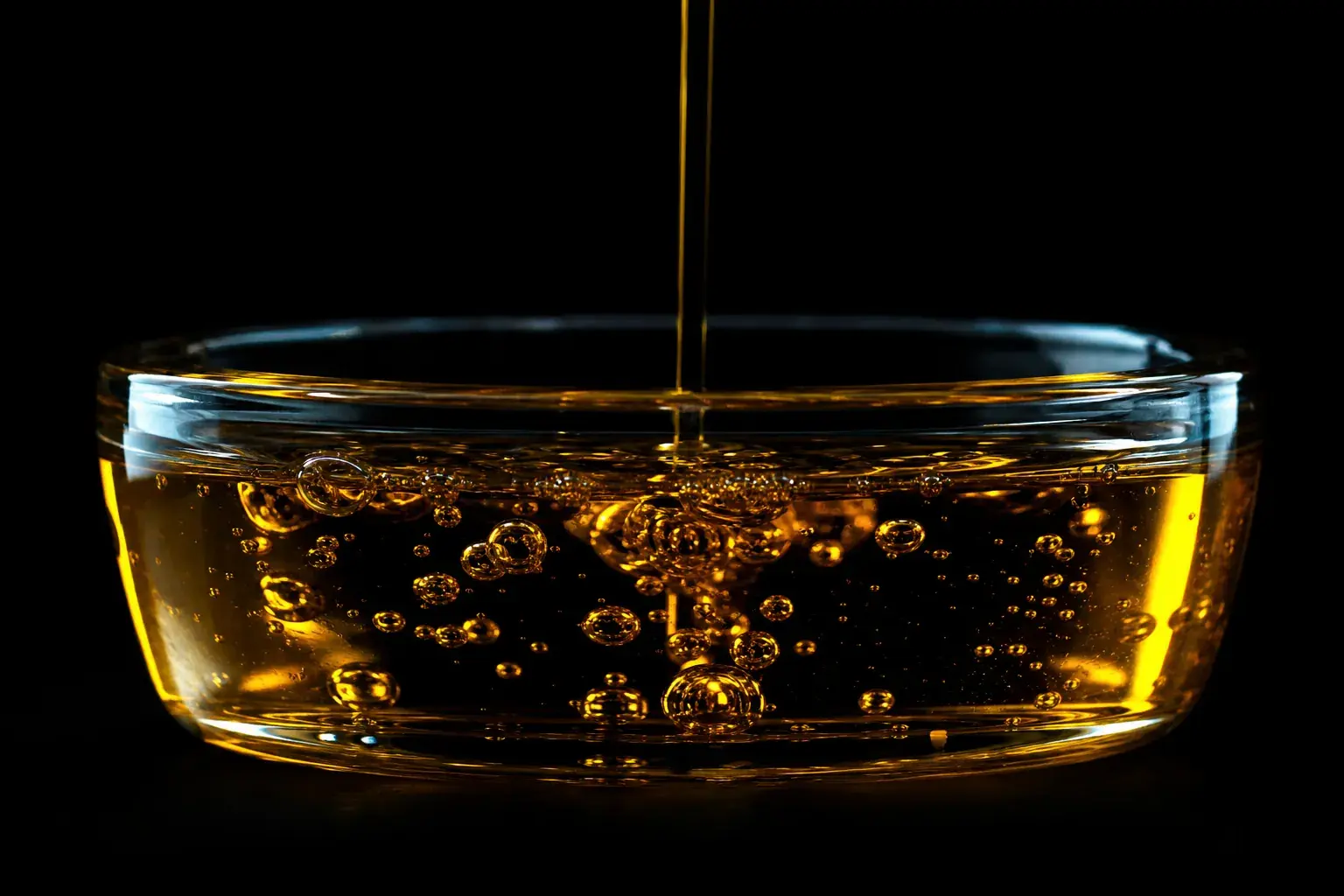
- 2-ethylhexyl acrylate appears as a clear colorless liquid with a pleasant odor. Less dense than water and insoluble in water. Vapors heavier than air. Flash point 82 °C. Used in making of paints and plastics
- Appearance
- Colorless liquid
- Odor
- Pleasant
- Boiling Point
- Boiling point: 130 °C @ 50 mm Hg; conversion factor: 1 ppm = 7.52 mg/cu cm
- Melting Point
- -90 °C
- Flash Point
- 82 °C (open cup)
- Density
- 0.885 at 20 °C
- Vapor Density
- 6.35
- Vapor Pressure
- 0.178 mm Hg @ 25 °C /Extrapolated/
- LogP
- log Kow = 4.09 /Estimated/
- Henry's Law Constant
- Henry's Law constant: 0.000432 atm-cu m/mol @ 25 °C /Estimated/
- Autoignition Temperature
- 258 °C
- Polymerization
- Polymerizes when exposed to heat. Peroxides or other initiators may cause polymerization
- Odor Threshold
- 0.02 mg/L
- Refractive Index
- Index of refraction: 1.4332 @ 25 °C
Where it is used
- Adhesives
- Coatings
- Printing inks
- Treatments
Functions and markets
What it does
Markets it serves
Hazard classification
GHS classification as listed by PubChem for this compound.
Signal word: Warning- Environmental HazardGHS09
- IrritantGHS07
- Health HazardGHS08
- H315Causes skin irritation
- H317May cause an allergic skin reactionShare of notifications: > 99.9%
- H335May cause respiratory irritation
- H412Harmful to aquatic life with long lasting effectsShare of notifications: 16.2%
- H351Suspected of causing cancer
- H411Toxic to aquatic life with long lasting effects
- H336May cause drowsiness or dizziness
- H373May causes damage to organs through prolonged or repeated exposure
- H401Toxic to aquatic life
- H319Causes serious eye irritationShare of notifications: 100%
- H227Combustible liquid
Precautionary statement codes: P261, P264, P271, P272, P273, P280, P302+P352, P304+P340, P319, P321, P332+P317, P333+P317, P362+P364, P403+P233, P405, P501, P203, P210, P260, P318, P370+P378, P391, P403, P264+P265, P305+P351+P338, P337+P317
Reported as not meeting GHS hazard criteria by 2 of 2 notifying companies.
Source: PubChem, compound CID 7636, Safety and Hazards: GHS Classification
- California Proposition 65
- listed for cancer, listed 17 Dec 2021
Transport and tariff
Six-digit international heading; national tariff lines add further digits. Confirm transport classification against section 14 of the safety data sheet before shipping.
Chemical identity
- IUPAC name
- 2-ethylhexyl prop-2-enoate
- INCI name
- ETHYLHEXYL ACRYLATE
- CosIng functions
- Binding
- InChIKey
- GOXQRTZXKQZDDN-UHFFFAOYSA-N
- Substance type
- Pure compound
- EC number
- 203-080-7
- PubChem CID
- 7636
Also known as
Documents
- Technical data sheetSent on request with your quote
- Safety data sheetSent on request, and with the first shipment
- Certificate of analysisIssued per lot with each shipment
For reference only. Properties, identifiers, hazard, transport and tariff data on this page are typical values compiled from public sources such as PubChem and ECHA. They are not a guaranteed specification: the certificate of analysis for the lot and the current safety data sheet govern. Supplied for industrial and professional use. Record updated 2026-10-02.
Related materials
- Esters
Diethyl Fumarate (Fumaric Acid Diethyl Ester)
CAS 623-91-6C8H12O4Reactive comonomer, Synthesis intermediate, Addition chemistry
Crosslinking / CuringSynthesis IntermediateView details - Esters
Acetyl Tributyl Citrate
CAS 77-90-7C20H34O8PlasticizingSolvencyView details - Esters
Vinyl Acetate Monomer (VAM)
CAS 108-05-4C4H6O2Emulsion polymers, Polyvinyl alcohol, EVA copolymers
Synthesis IntermediateView details - Esters
Dimethyl Maleate (DMM)
CAS 624-48-6C6H8O4Chemical building block, Polymer synthesis, Addition chemistry
Crosslinking / CuringSynthesis IntermediateView details