
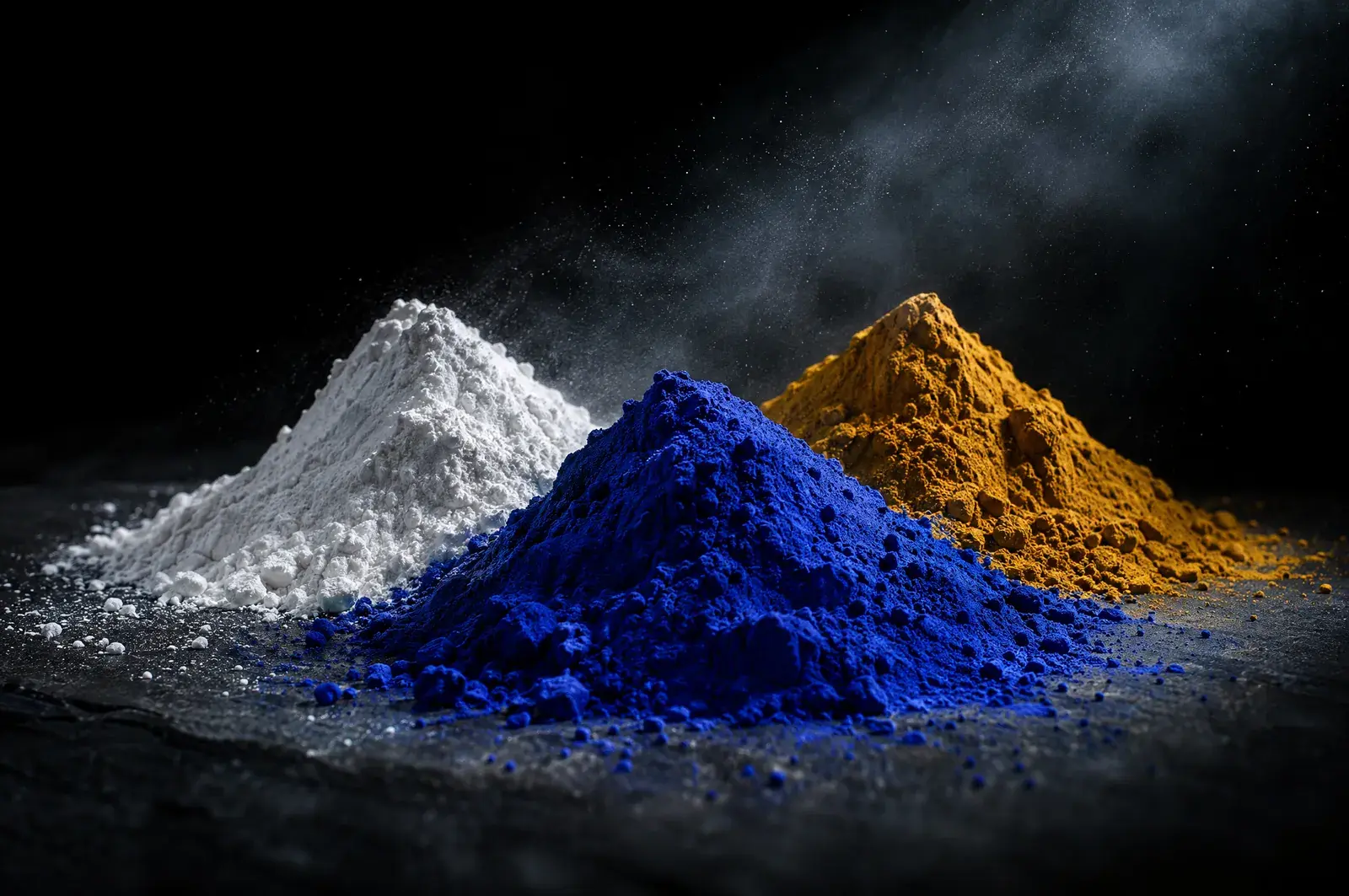
Aluminum Hydroxide (ATH, Alumina Trihydrate)
ATH
CAS21645-51-2FormulaAlH3O3
Aluminum Hydroxide (ATH, Alumina Trihydrate) is listed in the mineral fillers & pigments family for flame retardancy. Typical uses include flame retardant, smoke suppressant, filler, abrasive and desiccant. It is used in coatings & construction, industrial manufacturing and plastics & polymers. Appearance: usually obtained in white, bulky, amorphous powder.
Part ofFlame Retardant Systems
- GHS signal word
- Warning
- HS code
- 2818.30
- Molecular weight
- 78.004 g/mol
- Catalog code
- CTX-21645-51-2
Properties
Typical values for reference, not a guaranteed specification.
- Solubility
- Practically insoluble in water, but soluble in alkaline aqueous solutions or in HCl, H2SO4 and other strong acids in the presence of some water
- Physical Description
- White solid in various forms; White odorless granules; Slightly soluble in water
- Appearance
- Usually obtained in white, bulky, amorphous powder
- Melting Point
- 300 °C
- Density
- White, gelatinous precipitate. Constants variable with the composition, density approximately 2.4. Insoluble in water and alcohol, soluble in acid and alkali. /Aluminum hydroxide gel/
- Vapor Pressure
- Vapor pressure, Pa at 20 °C:
- Refractive Index
- Monoclinic crystal system; Mohs hardness: 3; Index of refraction: 1.57 (least index); 1.57 (intermediate index); 1.59 (greatest index) /Gibbsite/
- Dissociation Constants
- Aluminum hydroxide is capable of reacting as either an acid or a base
- Chemical / class
- Flame retardant / smoke suppressant (mineral hydroxide)
- Flame-retardant type
- Mineral hydroxide (endothermic)
- Role in fire performance
- Endothermic; releases water; smoke suppressant
Where it is used
- Flame retardant
- Smoke suppressant
- Filler
- Abrasive
- Desiccant
Functions and markets
What it does
Markets it serves
Hazard classification
GHS classification as listed by PubChem for this compound.
Signal word: Warning- IrritantGHS07
- H315Causes skin irritationShare of notifications: 19.7%
- H319Causes serious eye irritationShare of notifications: 21%
- H335May cause respiratory irritationShare of notifications: 19.8%
Precautionary statement codes: P261, P264, P264+P265, P271, P280, P302+P352, P304+P340, P305+P351+P338, P319, P321, P332+P317, P337+P317, P362+P364, P403+P233, P405, P501
Source: PubChem, compound CID 10176082, Safety and Hazards: GHS Classification
Transport and tariff
Six-digit international heading; national tariff lines add further digits. Confirm transport classification against section 14 of the safety data sheet before shipping.
Chemical identity
- IUPAC name
- aluminum trihydroxide
- INCI name
- CI 77002
- CosIng functions
- Colorant
- InChIKey
- WNROFYMDJYEPJX-UHFFFAOYSA-K
- Substance type
- Pure compound
- EC number
- 244-492-7
- PubChem CID
- 10176082
Also known as
Documents
- Technical data sheetSent on request with your quote
- Safety data sheetSent on request, and with the first shipment
- Certificate of analysisIssued per lot with each shipment
For reference only. Properties, identifiers, hazard, transport and tariff data on this page are typical values compiled from public sources such as PubChem and ECHA. They are not a guaranteed specification: the certificate of analysis for the lot and the current safety data sheet govern. Supplied for industrial and professional use. Record updated 2026-10-02.
Related materials
- Mineral Fillers & Pigments
Iron Oxide Black (Synthetic, CI 77499)
CAS 12227-89-3Fe3O4Pigment, Construction colorant, Cosmetic colorant
Color / PigmentationView details - Mineral Fillers & Pigments
Magnesium Hydroxide (MDH)
CAS 1309-42-8H2MgO2Flame retardant, Acid neutralization, Wastewater treatment
Flame RetardancyView details - Mineral Fillers & Pigments
D&C Red No. 33
CAS 3567-69-9C20H12N2Na2O7S2Cosmetic colorant, Industrial dye, Tinting
Color / PigmentationView details - Mineral Fillers & Pigments
Manganese Dioxide (Cement Black)
CAS 1313-13-9MnO2Batteries, Organic synthesis, Glass
View details