
Ammonium Sulfate (AS)
(NH4)2SO4 / AS
CAS7783-20-2FormulaH8N2O4S
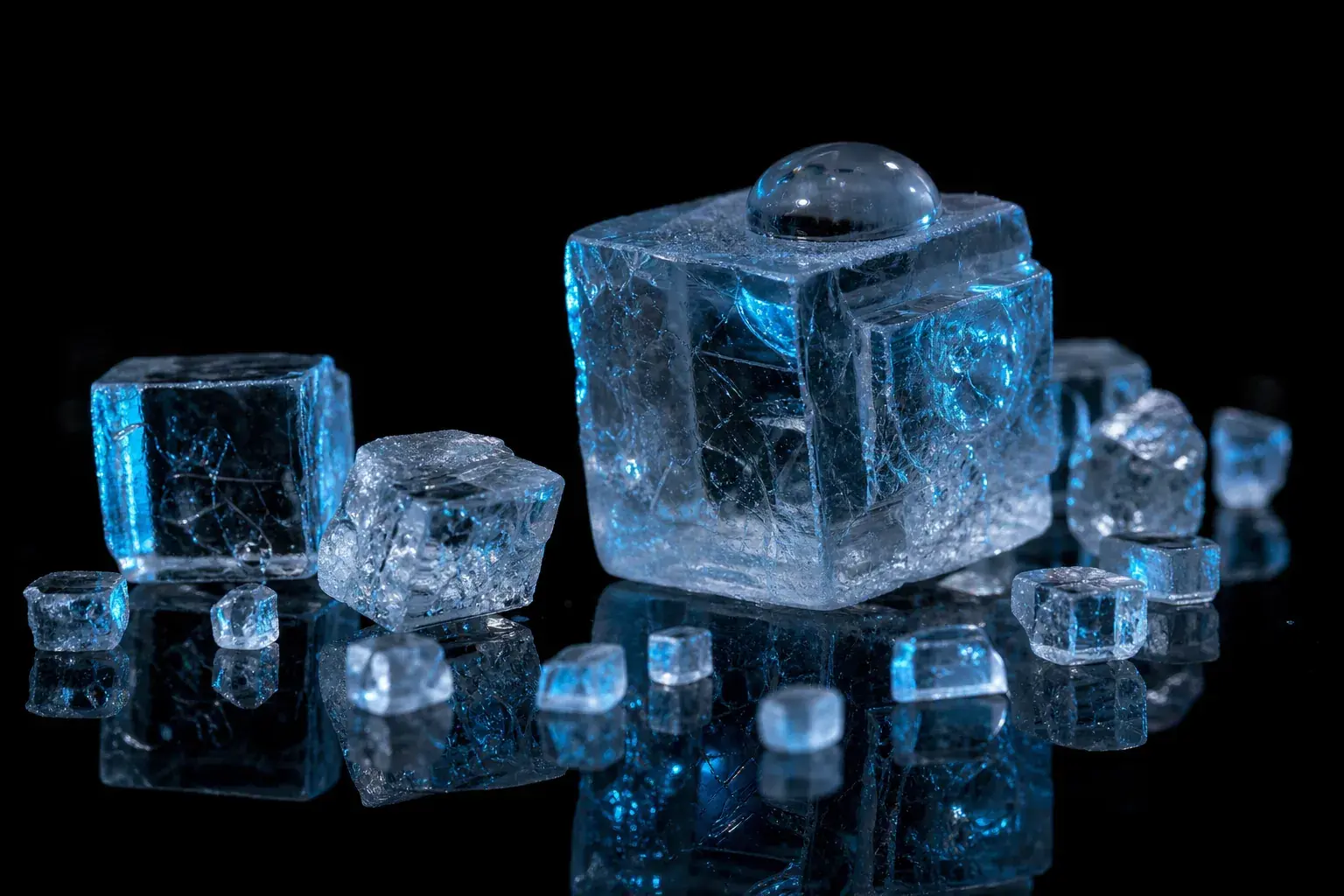
Ammonium Sulfate (AS) is listed in the acids & salts family for pH adjustment and viscosity modification. Typical uses include fertilizer, flame retardant, water treatment, leather & metal and bioprocessing. It is used in agriculture, personal care & cosmetics and home & industrial care. Appearance: brownish gray to white crystals according to degree of purity.
Part ofPrinting ChemicalsCrop Protection AdjuvantsFertilizer Processing Chemicals
- GHS signal word
- Warning
- HS code
- 3102.21
- Molecular weight
- 132.14 g/mol
- Catalog code
- CTX-7783-20-2
Properties
Typical values for reference, not a guaranteed specification.
- Solubility
- Solubility decreases with addition of ammonia: at 10 °C, from 73 g in 100 g of water, to 18 g in 100 g of 24.5% aqueous ammonia
- Physical Description
- Dry powder, liquid, pellets or crystals, solid, or wet solid
- Appearance
- Brownish gray to white crystals according to degree of purity
- Odor
- Odorless
- Melting Point
- 280 °C (decomposes)
- Density
- 1.78 at 15 °C
- Vapor Pressure
- Vapor pressure of saturated solution: 0.901 kPa at 10 °C; 1.319 kPa at 15 °C; 1.871 kPa at 20 °C; 2.573 kPa at 25 °C; 3.439 kPa at 30 °C; 4.474 kPa at 35 °C
- Autoignition Temperature
- Not flammable
- Corrosivity
- Does not attack iron or aluminum /Ammoniacal solutions/
- pH
- pH = 5.5 (0.1 M aqueous solution)
- Refractive Index
- Index of refraction: 1.521, 1.523, 1.533
Where it is used
- Fertilizer
- Flame retardant
- Water treatment
- Leather & metal
- Bioprocessing
Functions and markets
What it does
Markets it serves
Hazard classification
GHS classification as listed by PubChem for this compound.
Signal word: Warning- IrritantGHS07
- H319Causes serious eye irritationShare of notifications: 25.6%
- H402Harmful to aquatic life
- H302Harmful if swallowedShare of notifications: 11.1%
- H412Harmful to aquatic life with long lasting effects
- H335May cause respiratory irritationShare of notifications: 20.2%
- H315Causes skin irritationShare of notifications: 25.6%
Precautionary statement codes: P273, P501, P261, P264, P264+P265, P270, P271, P280, P301+P317, P302+P352, P304+P340, P305+P351+P338, P319, P321, P330, P332+P317, P337+P317, P362+P364, P403+P233, P405
Source: PubChem, compound CID 6097028, Safety and Hazards: GHS Classification
Transport and tariff
Six-digit international heading; national tariff lines add further digits. Confirm transport classification against section 14 of the safety data sheet before shipping.
Chemical identity
- IUPAC name
- diazanium;sulfate
- INCI name
- AMMONIUM SULFATE
- CosIng functions
- Viscosity controlling
- InChIKey
- BFNBIHQBYMNNAN-UHFFFAOYSA-N
- Substance type
- Pure compound
- EC number
- 231-984-1
- PubChem CID
- 6097028
Also known as
Documents
- Technical data sheetSent on request with your quote
- Safety data sheetSent on request, and with the first shipment
- Certificate of analysisIssued per lot with each shipment
For reference only. Properties, identifiers, hazard, transport and tariff data on this page are typical values compiled from public sources such as PubChem and ECHA. They are not a guaranteed specification: the certificate of analysis for the lot and the current safety data sheet govern. Supplied for industrial and professional use. Record updated 2026-10-06.
Related materials
- Acids & Salts
Sodium Hydroxymethylglycinate 50% Solution
CAS 70161-44-3C3H6NNaO3Biocidal ActionPreservationView details - Acids & Salts
Ammonium Chloride (Sal Ammoniac)
CAS 12125-02-9ClH4NSoldering/galvanizing flux, Dry-cell batteries, Electroplating
pH AdjustmentViscosity ModificationView details - Acids & Salts
Diammonium Phosphate (DAP)
CAS 7783-28-0H9N2O4PFertilizer, Fermentation, Flame retardant
Flame RetardancypH AdjustmentView details - Acids & Salts
Sodium Hydroxide (Caustic Soda Beads)
CAS 1310-73-2HNaONeutralization, Saponification, Pulp & paper
Cleaning / DegreasingpH Adjustment+1View details