
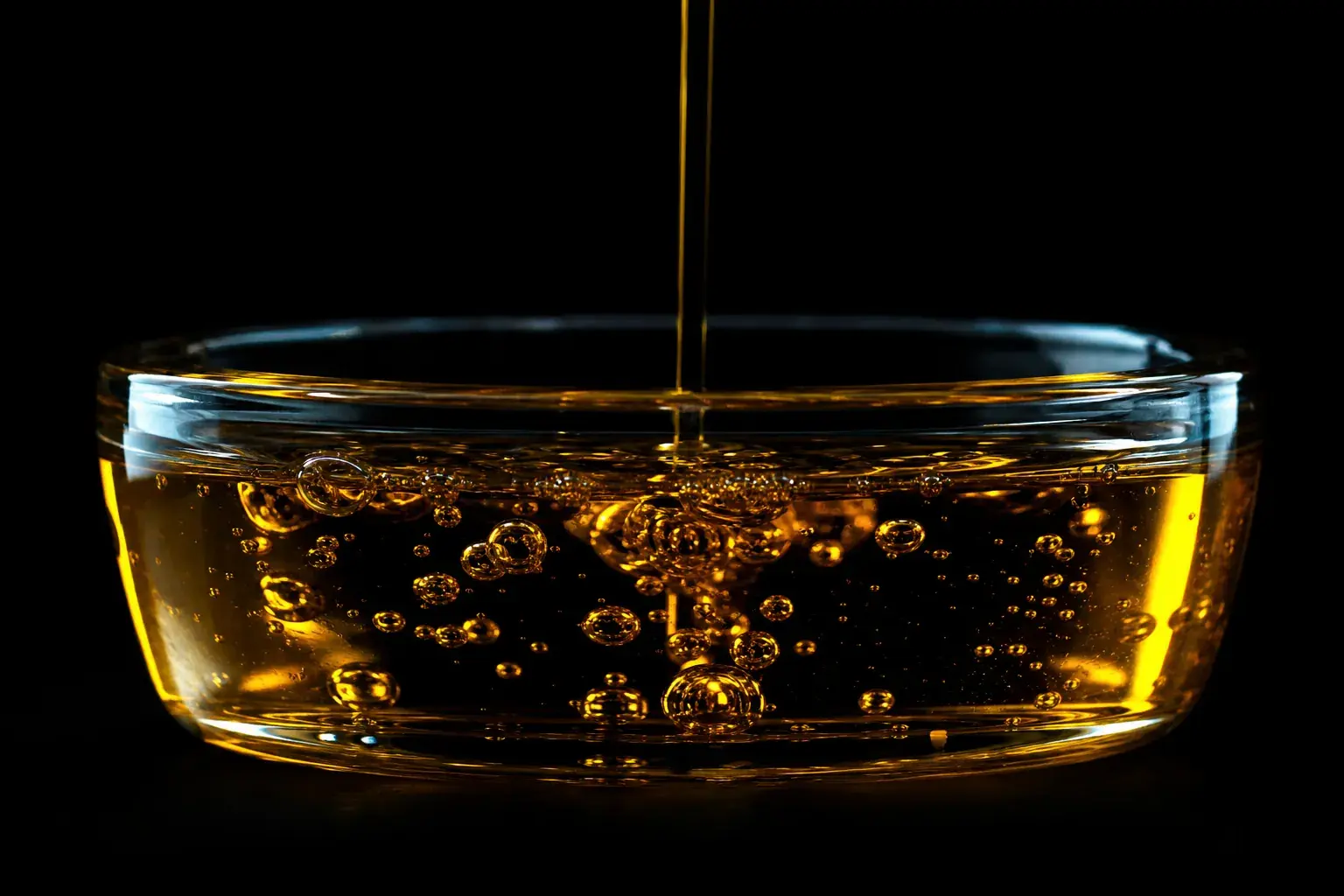
Butyl Methacrylate (BMA)
BMA
CAS97-88-1FormulaC8H14O2
Butyl Methacrylate (BMA) is listed in the esters family for film formation, synthesis intermediate and viscosity modification. Typical uses include acrylic resins, coatings, adhesives, Textile/leather/paper finishing and lubricant additives. It is used in coatings & construction and plastics & polymers. Appearance: colorless liquid.
- GHS signal word
- Warning
- UN number
- UN 2227
- Hazard class
- Class 3
- HS code
- 2916.14
Properties
Typical values for reference, not a guaranteed specification.
- Solubility
- Solubility in water, g/100ml at 25 °C: 0.08 (very poor)
- Physical Description
- N-butyl methacrylate appears as a clear colorless liquid. Flash point 54 °C. Less dense (7.5 lb / gal) than water and insoluble in water. Hence floats on water. Vapors heavier than air. Used to make resins adhesives, and oil additives
- Appearance
- Colorless liquid
- Odor
- Faint characteristic odor of esters
- Boiling Point
- 326.3 to 170 °C at 760 mmHg
- Melting Point
- freezing point: < -75 °C
- Flash Point
- 52 °C (open cup)
- Density
- Liquid heat capacity: 0.460 BTU/lb-F at 21 °C; Liquid thermal conductivity: 1.048 BTU-in/hr-sq ft-F at 21 °C; Saturated vapor density: 0.00203 lb/cu ft at 21 °C
- Vapor Density
- 4.9
- Vapor Pressure
- Vapor pressure, kPa at 20 °C: 0.3
- LogP
- log Kow = 2.88
- Autoignition Temperature
- 294 °C
- Viscosity
- 1.02 mm²/s at 24 °C
- Polymerization
- Methyl methacrylate, and in general the methacrylic esters, polymerize much less readily than the corresponding ordinary acrylates. Nonetheless, they are stabilized by adding hydroquinone or pyrogallol, particularly in the presence of metallic copper. /Methacrylates/
- Refractive Index
- Index of refraction: 1.4240 at 20 °C/D
Where it is used
- Acrylic resins
- Coatings
- Adhesives
- Textile/leather/paper finishing
- Lubricant additives
Functions and markets
What it does
Markets it serves
Hazard classification
GHS classification as listed by PubChem for this compound.
Signal word: Warning- IrritantGHS07
- Health HazardGHS08
- FlammableGHS02
- H315Causes skin irritation
- H335May cause respiratory irritation
- H226Flammable liquid and vapor
- H316Causes mild skin irritation
- H361Suspected of damaging fertility or the unborn child
- H373May causes damage to organs through prolonged or repeated exposure
- H401Toxic to aquatic life
- H317May cause an allergic skin reaction
- H320Causes eye irritation
- H319Causes serious eye irritationShare of notifications: 94%
Precautionary statement codes: P203, P210, P233, P240, P241, P242, P243, P260, P261, P264+P265, P271, P280, P303+P361+P353, P304+P340, P305+P351+P338, P318, P319, P332+P317, P337+P317, P370+P378, P403+P233, P403+P235, P405, P501, P264, P272, P302+P352, P321, P333+P317, P362+P364, P273
Source: PubChem, compound CID 7354, Safety and Hazards: GHS Classification
Transport and tariff
- UN number
- UN 2227
- Hazard class
- Class 3
- Packing group
- III
- Proper shipping name
- n-Butyl methacrylate, stabilized
Six-digit international heading; national tariff lines add further digits. Confirm transport classification against section 14 of the safety data sheet before shipping.
Chemical identity
- IUPAC name
- butyl 2-methylprop-2-enoate
- INCI name
- BUTYL METHACRYLATE
- CosIng functions
- Film forming, Fragrance, Viscosity controlling
- InChIKey
- SOGAXMICEFXMKE-UHFFFAOYSA-N
- Substance type
- Pure compound
- EC number
- 202-615-1
- PubChem CID
- 7354
Also known as
Documents
- Technical data sheetSent on request with your quote
- Safety data sheetSent on request, and with the first shipment
- Certificate of analysisIssued per lot with each shipment
For reference only. Properties, identifiers, hazard, transport and tariff data on this page are typical values compiled from public sources such as PubChem and ECHA. They are not a guaranteed specification: the certificate of analysis for the lot and the current safety data sheet govern. Supplied for industrial and professional use. Record updated 2026-07-15.
Related materials
- Esters
Diethyl Fumarate (Fumaric Acid Diethyl Ester)
CAS 623-91-6C8H12O4Reactive comonomer, Synthesis intermediate, Addition chemistry
Crosslinking / CuringSynthesis IntermediateView details - Esters
Hydroxypinacolone Retinoate
CAS 893412-73-2C26H38O3Cosmetics, Leave-on formulations
ConditioningView details - Esters
Linseed Oil (Flaxseed Oil)
CAS 8001-26-1C18H30O2Paints/varnishes, Wood finishing, Putty/glazing
ConditioningFilm Formation+1View details - Esters
Bis(2,2,6,6-tetramethyl-4-piperidyl) Sebacate (CAS 52829-07-9)
CAS 52829-07-9C28H52N2O4UV ProtectionView details