
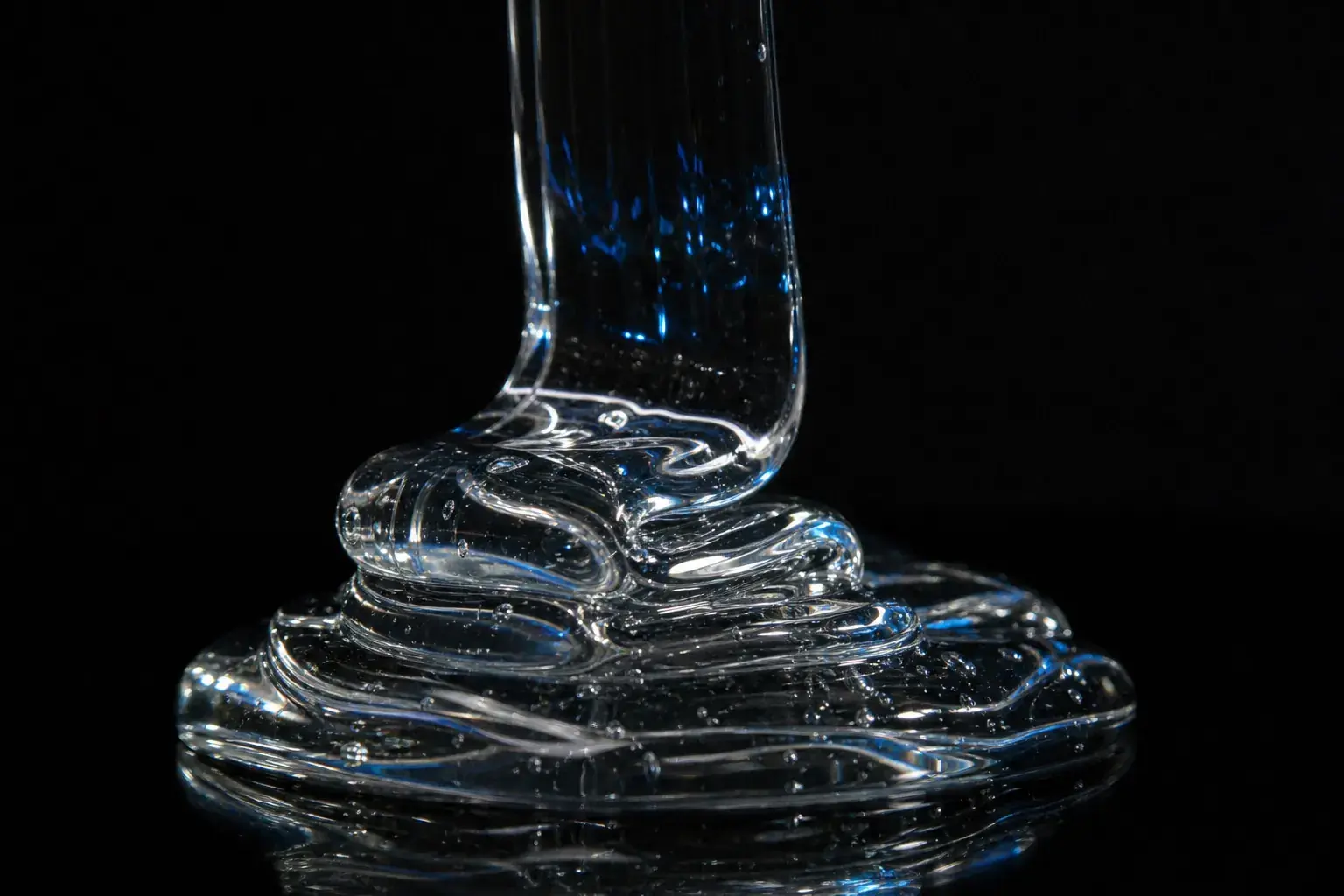
Butylene Glycol (1,3-Butanediol, BG)
BG / 1,3-BG
CAS107-88-0FormulaC4H10O2
Butylene Glycol (1,3-Butanediol, BG) is listed in the glycols & polyols family for conditioning, moisture control, solvency and viscosity modification. Typical uses include humectant, resin co-monomer, plasticizer intermediate, solvent and coupling agent. It is used in personal care & cosmetics and food & beverage. Appearance: pure compound is colorless.
Part ofHumectants & MoisturizersGlycols & PolyolsSolvents & Carriers
- GHS signal word
- Warning
- HS code
- 2905.39
- Molecular weight
- 90.12 g/mol
- Catalog code
- CTX-107-88-0
Properties
Typical values for reference, not a guaranteed specification.
- Solubility
- Practically insoluble in aliphatic hydrocarbons, benzene, toluene, carbon tetrachloride, ethanolamines, mineral and linseed oil; soluble in acetone, methyl ethyl ketone, ethanol, dibutyl phthalate, castor oil
- Physical Description
- Very hygroscopic liquid; Pure form is colorless
- Appearance
- Pure compound is colorless
- Odor
- Practically odorless
- Taste
- Sweet flavor with bitter aftertaste
- Boiling Point
- 207.50 °C. @ 760.00 mm Hg
- Melting Point
- < -50 °C
- Flash Point
- 121 °C (Cleveland Open Cup)
- Density
- Relative density (water = 1): 1.00
- Vapor Density
- Relative vapor density (air = 1): 3.2
- Vapor Pressure
- Vapor pressure, Pa at 20 °C: 8
- LogP
- -0.290
- Optical Rotation
- Specific optical rotation: -18.8 deg at 25 °C/D (ethanol) /(R)-(-)isomer/
- Autoignition Temperature
- 394 °C (393 °C)
- Viscosity
- 96 cSt at 25 °C
- Heat of Vaporization
- Heat of vaporization = 16.2 kcal/mol at 25 °C
- Surface Tension
- 37.8 dynes/cm at 25 °C
- Refractive Index
- Index of refraction: 1.4401 at 20 °C
- Dissociation Constants
- pKa = 15.1 at 25 °C
Where it is used
- Humectant
- Resin co-monomer
- Plasticizer intermediate
- Solvent
- Coupling agent
Functions and markets
What it does
Markets it serves
Hazard classification
GHS classification as listed by PubChem for this compound.
Signal word: Warning- FlammableGHS02
- H226Flammable liquid and vaporShare of notifications: 51.2%
Precautionary statement codes: P210, P233, P240, P241, P242, P243, P280, P303+P361+P353, P370+P378, P403+P235, P501
Source: PubChem, compound CID 7896, Safety and Hazards: GHS Classification
Transport and tariff
Six-digit international heading; national tariff lines add further digits. Confirm transport classification against section 14 of the safety data sheet before shipping.
Chemical identity
- IUPAC name
- butane-1,3-diol
- INCI name
- BUTYLENE GLYCOL
- CosIng functions
- Fragrance, Humectant, Skin conditioning, Solvent, Viscosity controlling
- InChIKey
- PUPZLCDOIYMWBV-UHFFFAOYSA-N
- Substance type
- Pure compound
- EC number
- 203-529-7
- PubChem CID
- 7896
Also known as
Documents
- Technical data sheetSent on request with your quote
- Safety data sheetSent on request, and with the first shipment
- Certificate of analysisIssued per lot with each shipment
For reference only. Properties, identifiers, hazard, transport and tariff data on this page are typical values compiled from public sources such as PubChem and ECHA. They are not a guaranteed specification: the certificate of analysis for the lot and the current safety data sheet govern. Supplied for industrial and professional use. Record updated 2026-10-02.
Related materials
- Glycols & Polyols
Glycereth-26
CAS 31694-55-0C9H20O6Humectant, Viscosity control, Solvent
ConditioningMoisture Control+1View details - Glycols & Polyols
2-Butoxyethanol (Glycol Ether EB / Butyl Glycol)
CAS 111-76-2C6H14O2Coatings solvent, Cleaner solvent, Ink solvent
Cleaning / DegreasingSolvency+1View details - Glycols & Polyols
Tromethamine (Tris)
CAS 77-86-1C4H11NO3Laboratory buffers, Cosmetics, pH regulation
pH AdjustmentView details - Glycols & Polyols
Propylene Glycol Methyl Ether (Glycol Ether PM, PGME)
CAS 107-98-2C4H10O2Coatings solvent, Cleaning formulations
Cleaning / DegreasingSolvencyView details