
Hexylene Glycol (2-Methyl-2,4-pentanediol, HG)
HG
CAS107-41-5FormulaC6H14O2
Hexylene Glycol (2-Methyl-2,4-pentanediol, HG) is listed in the glycols & polyols family for cleaning and degreasing, conditioning, moisture control and 3 more. Typical uses include coatings, hydraulic fluids, cosmetics, industrial processing and coupling agent. It is used in personal care & cosmetics; coatings & construction; food & beverage; industrial manufacturing; and oil, gas & mining. Appearance: colorless liquid.
Part ofGlycols & PolyolsPPG & Non-Silicone Process AidsGlycol Ether & Oxygenated SolventsSolvents & Carriers
- GHS signal word
- Warning
- HS code
- 2905.39
- Molecular weight
- 118.17 g/mol
- Catalog code
- CTX-107-41-5
Properties
Typical values for reference, not a guaranteed specification.
- Solubility
- Soluble in ethanol, ethyl ether; slightly soluble in carbon tetrachloride
- Physical Description
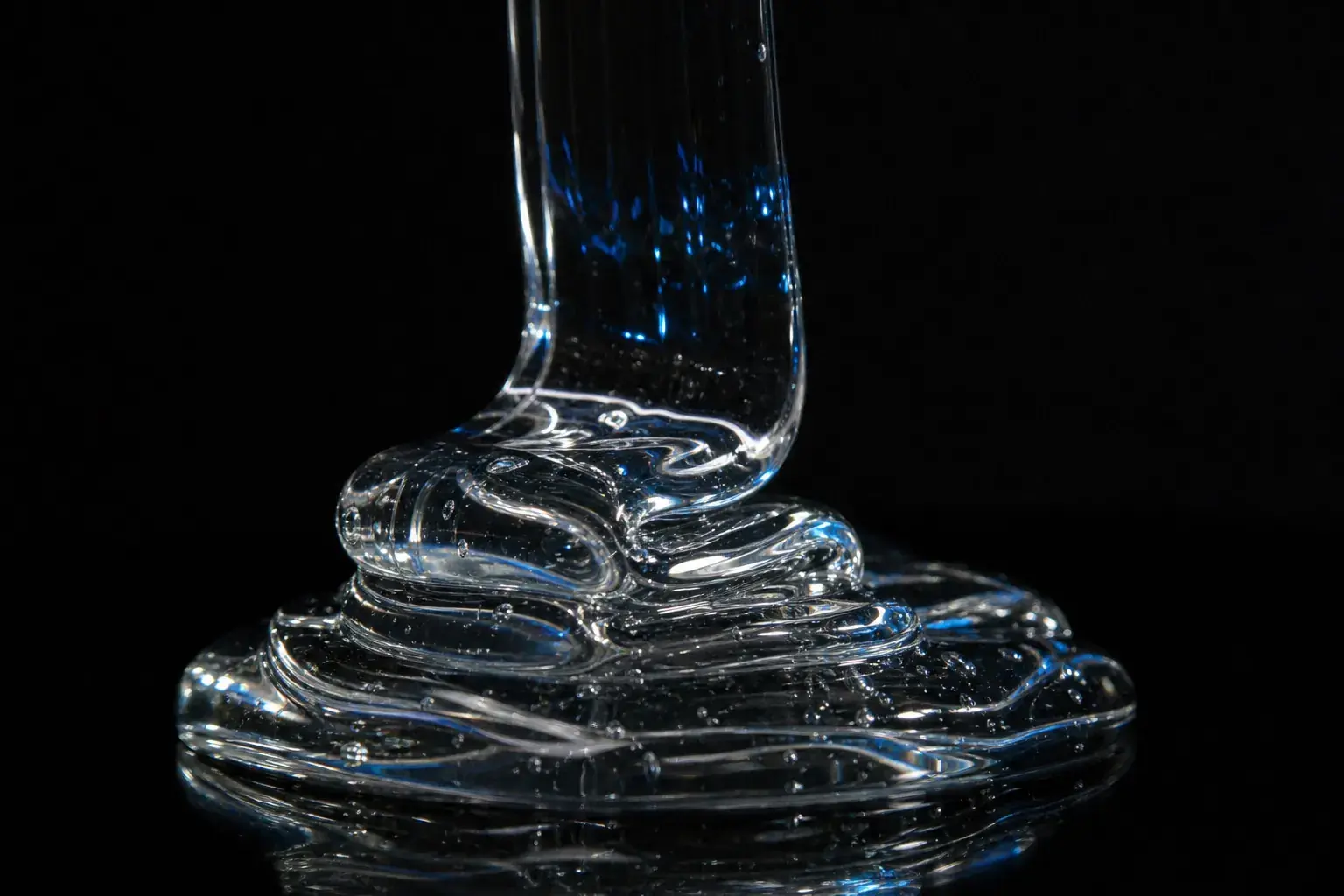
- Hexylene glycol is an oily colorless liquid with a mild sweet odor. Floats and mixes slowly with water
- Appearance
- Colorless liquid
- Odor
- ATMOSPHERES ESSENTIALLY SATURATED AT ROOM TEMP ARE DETECTABLE BY ODOR
- Boiling Point
- 197 °C at 760 mmHg
- Melting Point
- Freezing point = -50 °C (glass or vitreous condition)
- Flash Point
- 96 °C (Open cup)
- Density
- 0.923 at 20 °C
- Vapor Density
- Relative vapor density (air = 1): 4.1
- Vapor Pressure
- Vapor pressure = 0.013 mm Hg at 25 °C
- LogP
- 0.58
- Autoignition Temperature
- Autoignition temp = 579 K
- Viscosity
- 34 cP at 20 °C
- Heat Of Combustion
- Standard net heat of combustion = -3.4356x10+9 J/kmol
- Heat of Vaporization
- 13.7 kcal/mol at the boiling point
- Surface Tension
- 33.1 dyne/cm at 20 °C
- Odor Threshold
- Odor Threshold Low: 3.93
- Refractive Index
- Index of refraction: 1.4276 at 20 °C/D
Where it is used
- Coatings
- Hydraulic fluids
- Cosmetics
- Industrial processing
- Coupling agent
Functions and markets
What it does
Markets it serves
Hazard classification
GHS classification as listed by PubChem for this compound.
Signal word: Warning- IrritantGHS07
- H315Causes skin irritation
- H335May cause respiratory irritation
- H336May cause drowsiness or dizziness
- H319Causes serious eye irritationShare of notifications: 99.8%
- H227Combustible liquid
Precautionary statement codes: P210, P280, P370+P378, P403, P501, P261, P264+P265, P271, P304+P340, P305+P351+P338, P319, P337+P317, P403+P233, P405, P264, P302+P352, P321, P332+P317, P362+P364
Source: PubChem, compound CID 7870, Safety and Hazards: GHS Classification
Transport and tariff
Six-digit international heading; national tariff lines add further digits. Confirm transport classification against section 14 of the safety data sheet before shipping.
Chemical identity
- IUPAC name
- 2-methylpentane-2,4-diol
- INCI name
- HEXYLENE GLYCOL
- CosIng functions
- Perfuming, Skin conditioning, Solvent, Surfactant - cleansing, Surfactant - emulsifying
- InChIKey
- SVTBMSDMJJWYQN-UHFFFAOYSA-N
- Substance type
- Pure compound
- EC number
- 203-489-0
- PubChem CID
- 7870
Also known as
Documents
- Technical data sheetSent on request with your quote
- Safety data sheetSent on request, and with the first shipment
- Certificate of analysisIssued per lot with each shipment
For reference only. Properties, identifiers, hazard, transport and tariff data on this page are typical values compiled from public sources such as PubChem and ECHA. They are not a guaranteed specification: the certificate of analysis for the lot and the current safety data sheet govern. Supplied for industrial and professional use. Record updated 2026-07-15.
Related materials
- Glycols & Polyols
Diglycerol (Diglycerin)
CAS 627-82-7C6H14O5Humectant, Solvent, Chemical intermediate
ConditioningMoisture Control+1View details - Glycols & Polyols
D-Mannitol (Mannitol)
CAS 69-65-8C6H14O6Pharmaceutical excipient, Food processing, Flavor carrier
ConditioningView details - Glycols & Polyols
PEG-7 Glyceryl Cocoate
CAS 68201-46-7Mild surfactant, Emollient, Refatting
Cleaning / DegreasingConditioning+2View details - Glycols & Polyols
Ethylene Glycol (MEG, EG)
CAS 107-21-1C2H6O2Antifreeze and coolant, Polyester/PET feedstock, Humectant
Moisture ControlSolvency+2View details