
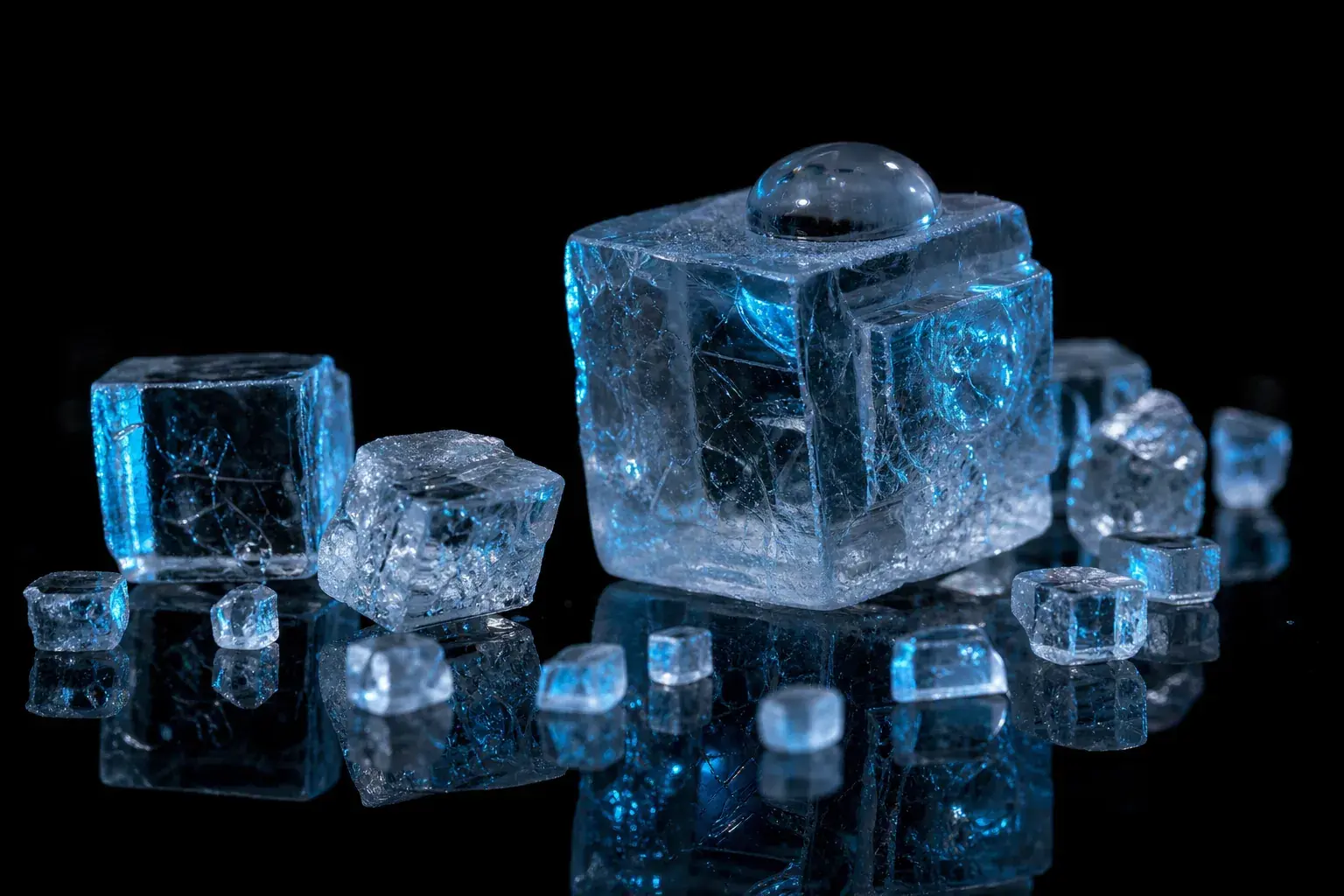
Stannous Chloride Dihydrate (Tin(II) Chloride)
CAS10025-69-1FormulaCl2H2OSn
Stannous Chloride Dihydrate (Tin(II) Chloride) is listed in the acids & salts family for preservation and synthesis intermediate. Typical uses include reducing agent, mordant, plating agent and dye and pigment manufacture. It is used in food & beverage and industrial manufacturing.
Part ofAcids & Salts
- GHS signal word
- Danger
- HS code
- 2827.39
- Molecular weight
- 207.63 g/mol
- Catalog code
- CTX-10025-69-1
Properties
Typical values for reference, not a guaranteed specification.
- Solubility
- Solubility in water, g/100ml at 20 °C: >100 (very good)
- Melting Point
- 38 °C
- Density
- 2.71 g/cm³
Where it is used
- Reducing agent
- Mordant
- Plating agent
- Dye and pigment manufacture
Functions and markets
What it does
Markets it serves
Hazard classification
GHS classification as listed by PubChem for this compound.
Signal word: Danger- Environmental HazardGHS09
- IrritantGHS07
- Health HazardGHS08
- CorrosiveGHS05
- H302Harmful if swallowedShare of notifications: 61.9%
- H373May causes damage to organs through prolonged or repeated exposureShare of notifications: 38.5%
- H341Suspected of causing genetic defectsShare of notifications: 15.3%
- H314Causes severe skin burns and eye damageShare of notifications: 72.4%
- H315Causes skin irritationShare of notifications: 22.1%
- H410Very toxic to aquatic life with long lasting effectsShare of notifications: 15.3%
- H335May cause respiratory irritationShare of notifications: 22.3%
- H400Very toxic to aquatic lifeShare of notifications: 43.8%
- H361Suspected of damaging fertility or the unborn childShare of notifications: 30.5%
- H318Causes serious eye damageShare of notifications: 49.6%
- H317May cause an allergic skin reactionShare of notifications: 61.7%
- H332Harmful if inhaledShare of notifications: 23.2%
Precautionary statement codes: P203, P260, P261, P264, P264+P265, P270, P271, P272, P273, P280, P301+P317, P301+P330+P331, P302+P352, P302+P361+P354, P304+P340, P305+P354+P338, P316, P317, P318, P319, P321, P330, P332+P317, P333+P317, P362+P364, P363, P391, P403+P233, P405, P501
Source: PubChem, compound CID 43835034, Safety and Hazards: GHS Classification
Transport and tariff
Six-digit international heading; national tariff lines add further digits. Confirm transport classification against section 14 of the safety data sheet before shipping.
Chemical identity
- IUPAC name
- dichlorotin;hydrate
- InChIKey
- LWJYMKDMGMOTSB-UHFFFAOYSA-L
- Substance type
- Pure compound
- PubChem CID
- 43835034
Also known as
Documents
- Technical data sheetSent on request with your quote
- Safety data sheetSent on request, and with the first shipment
- Certificate of analysisIssued per lot with each shipment
For reference only. Properties, identifiers, hazard, transport and tariff data on this page are typical values compiled from public sources such as PubChem and ECHA. They are not a guaranteed specification: the certificate of analysis for the lot and the current safety data sheet govern. Supplied for industrial and professional use. Record updated 2026-07-15.
Related materials
- Acids & Salts
Potassium Carbonate (Dipotassium Carbonate)
CAS 584-08-7CK2O3Glass & ceramics, Soap making, Drying/desiccant
Cleaning / DegreasingpH Adjustment+1View details - Acids & Salts
Vitamin C (Ascorbic Acid)
CAS 50-81-7C6H8O6Antioxidant & preservative, Color fixative, Dough conditioner
Chelation / SequestrationConditioning+2View details - Acids & Salts
Potassium Lactate
CAS 996-31-6C3H5KO3Used as a humectant and skin-conditioning agent (INCI
ConditioningMoisture Control+2View details - Acids & Salts
Propionic Acid (Propanoic Acid)
CAS 79-09-4C3H6O2Biocidal ActionpH Adjustment+2View details