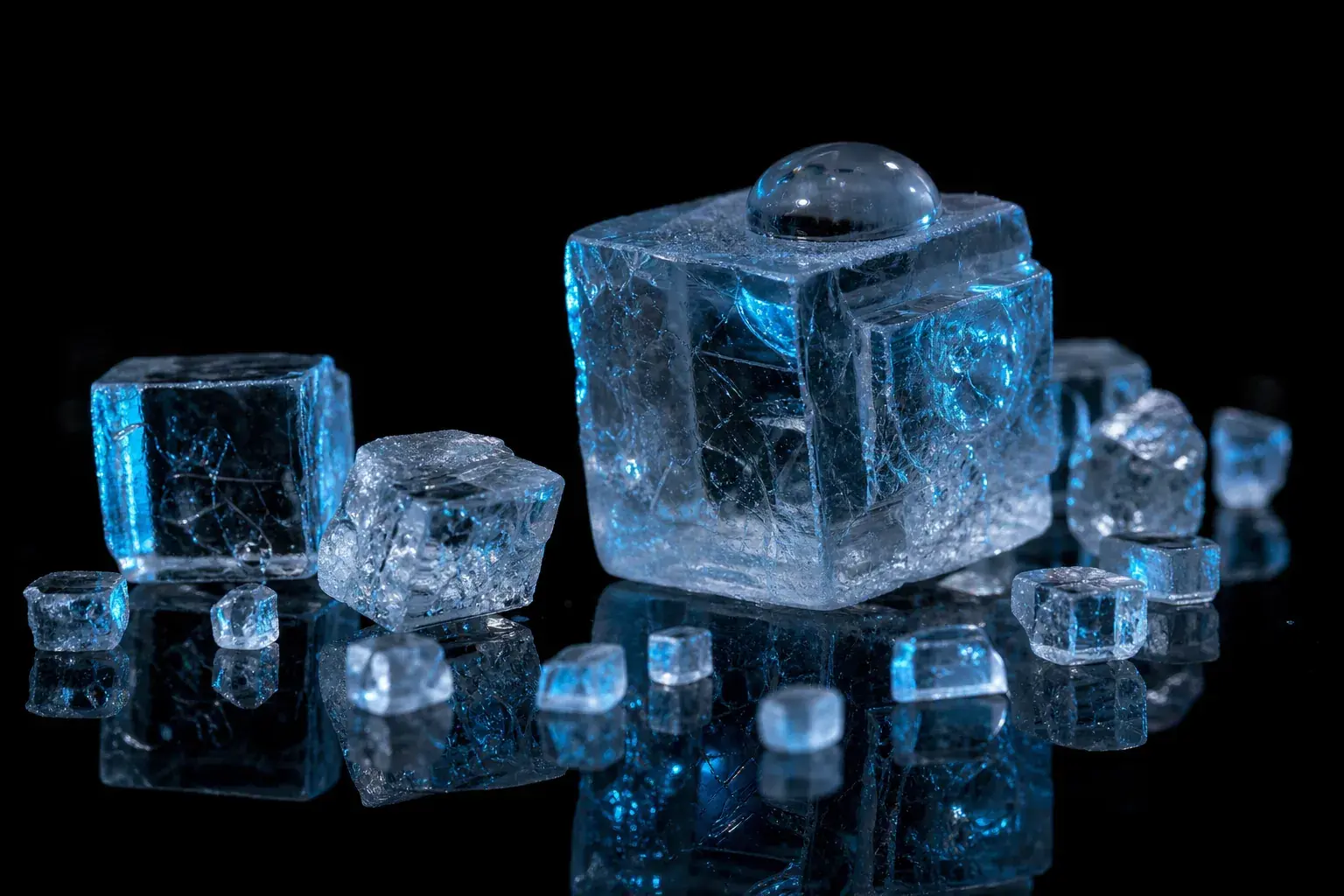
Urea (Carbamide)
Urea
CAS57-13-6FormulaCH4N2O
Urea (Carbamide) is listed in the amines & amides family for conditioning, crosslinking and curing, flame retardancy and 3 more. Typical uses include fertilizer, resins, cosmetics, emissions control and chemical synthesis. It is used in agriculture, personal care & cosmetics, coatings & construction, food & beverage, plastics & polymers and textiles.
Part ofHumectants & MoisturizersAcids & SaltsReactive Dye AuxiliariesPrinting ChemicalsFertilizer Processing Chemicals
- HS code
- 3102.10
- Molecular weight
- 60.056 g/mol
- Catalog code
- CTX-57-13-6
- Substance type
- Pure compound
Properties
Typical values for reference, not a guaranteed specification.
- Solubility
- Soluble
- Melting Point
- 135 °C
- Boiling Point
- Decomposes
- Density
- 1.34 at 20 °C
- Vapor Pressure
- 0.000012
- pH
- 7.2 (10% solution)
Where it is used
- Fertilizer
- Resins
- Cosmetics
- Emissions control
- Chemical synthesis
Functions and markets
What it does
Markets it serves
Hazard classification
Not classified as hazardous under GHSReported as not meeting GHS hazard criteria by 4430 of 4611 notifying companies.
Source: PubChem, compound CID 1176, Safety and Hazards: GHS Classification
Transport and tariff
Six-digit international heading; national tariff lines add further digits. Confirm transport classification against section 14 of the safety data sheet before shipping.
Chemical identity
- IUPAC name
- urea
- INCI name
- UREA
- CosIng functions
- Antistatic, Buffering, Humectant, Skin conditioning
- InChIKey
- XSQUKJJJFZCRTK-UHFFFAOYSA-N
- Substance type
- Pure compound
- EC number
- 200-315-5
- PubChem CID
- 1176
Also known as
Documents
- Technical data sheetSent on request with your quote
- Safety data sheetSent on request, and with the first shipment
- Certificate of analysisIssued per lot with each shipment
For reference only. Properties, identifiers, hazard, transport and tariff data on this page are typical values compiled from public sources such as PubChem and ECHA. They are not a guaranteed specification: the certificate of analysis for the lot and the current safety data sheet govern. Supplied for industrial and professional use. Record updated 2026-07-15.
Related materials
- Acids & Salts
Sodium Carbonate (Soda Ash, Calcined soda)
CAS 497-19-8CNa2O3Glass manufacturing, Detergents & cleaners, pH & alkalinity control
Cleaning / DegreasingpH AdjustmentView details - Acids & Salts
Potassium Sulfate (SOP)
CAS 7778-80-5K2O4SpH AdjustmentSynthesis IntermediateView details - Acids & Salts
Carbamide Peroxide (Urea Peroxide, Urea Hydrogen Peroxide)
CAS 124-43-6CH6N2O3Oxidizing agent, Hair care, Plastics
Biocidal ActionView details - Acids & Salts
Monopotassium Phosphate (MKP, Potassium Dihydrogen Phosphate)
CAS 7778-77-0H2KO4PFertilizer, Food additive, Fermentation nutrient
pH AdjustmentView details