
Zinc Nitrate
CAS7779-88-6FormulaN2O6Zn
Zinc Nitrate (CAS 7779-88-6) is listed in the acids & salts family for synthesis intermediate. Typical uses include textile mordant, catalyst, latex coagulant, liquid fertilizer and chemical intermediate. It is used in personal care & cosmetics, industrial manufacturing, textiles and water treatment. Appearance: white powder.
- GHS signal word
- Danger
- UN number
- UN 1514
- Hazard class
- Class 5.1
- HS code
- 2834.29
Properties
Typical values for reference, not a guaranteed specification.
- Solubility
- SOLUBILITY: 184.3 G/100 CC WATER @ 20 °C /HEXAHYDRATE/
- Physical Description
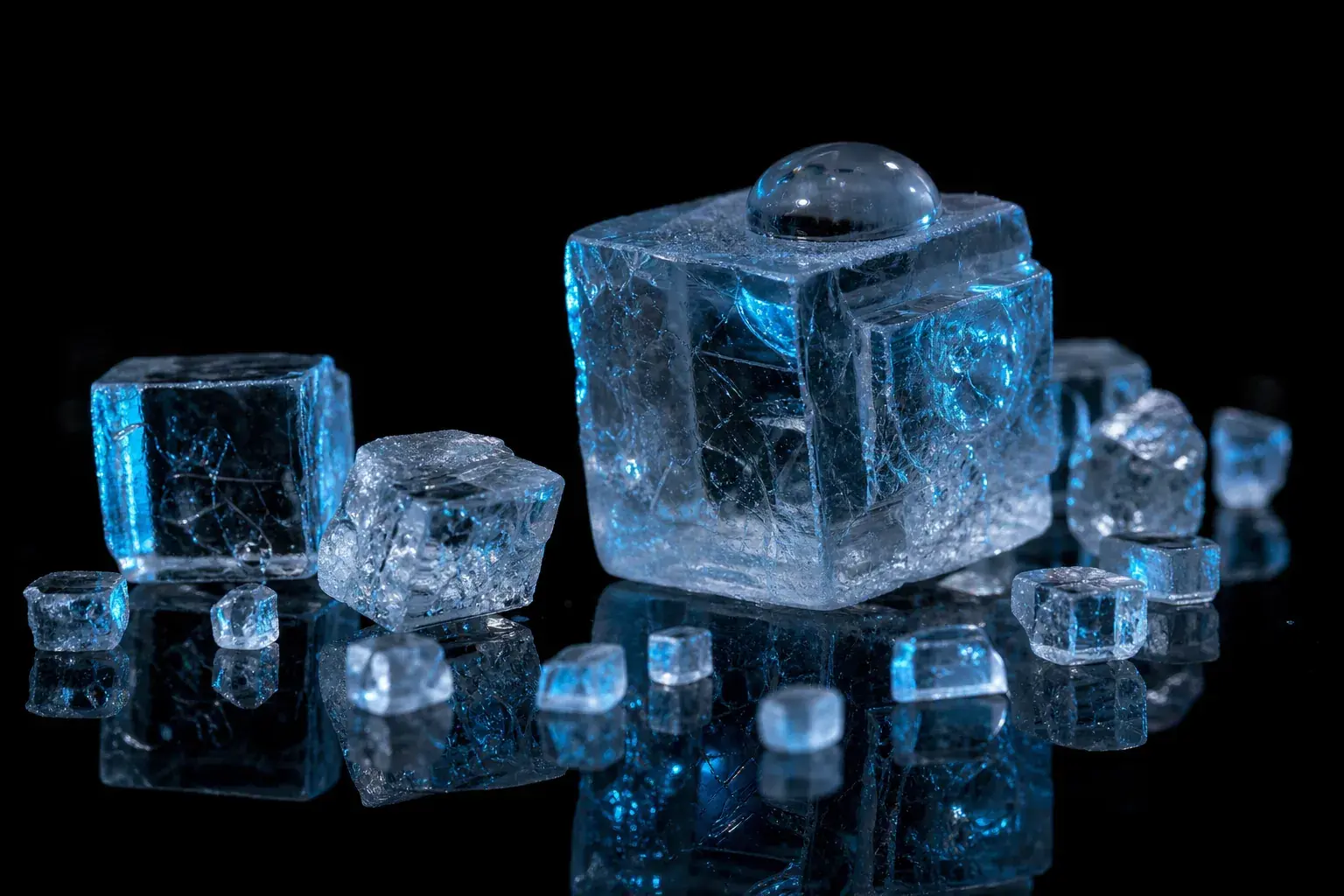
- Zinc nitrate is a colorless crystalline solid. Noncombustible, but accelerates the burning of combustible materials. If large quantities are involved in a fire or the combustible material is finely divided, an explosion may result. Prolonged exposure to fire or heat may result in an explosion. Toxic oxides of nitrogen are produced in fires involving this material. It is used as a catalyst in the manufacture of other chemicals, in medicine, and in dyes
- Appearance
- White powder
- Melting Point
- 36 °C
- Density
- 2.07 at 20 °C
Where it is used
- Textile mordant
- Catalyst
- Latex coagulant
- Liquid fertilizer
- Chemical intermediate
Functions and markets
What it does
Markets it serves
Hazard classification
GHS classification as listed by PubChem for this compound.
Signal word: Danger- Environmental HazardGHS09
- IrritantGHS07
- OxidizerGHS03
- CorrosiveGHS05
- H315Causes skin irritation
- H335May cause respiratory irritation
- H302Harmful if swallowedShare of notifications: 99.1%
- H319Causes serious eye irritationShare of notifications: 35.5%
- H272May intensify fire; oxidizer
- H411Toxic to aquatic life with long lasting effects
- H400Very toxic to aquatic lifeShare of notifications: 87.7%
- H318Causes serious eye damageShare of notifications: 69.5%
- H401Toxic to aquatic life
- H320Causes eye irritation
- H410Very toxic to aquatic life with long lasting effectsShare of notifications: 38.1%
Precautionary statement codes: P264+P265, P273, P280, P305+P351+P338, P337+P317, P391, P501, P210, P220, P261, P264, P270, P271, P301+P317, P302+P352, P304+P340, P305+P354+P338, P317, P319, P321, P330, P332+P317, P362+P364, P370+P378, P403+P233, P405
Source: PubChem, compound CID 24518, Safety and Hazards: GHS Classification
Transport and tariff
- UN number
- UN 1514
- Hazard class
- Class 5.1
- Packing group
- II
- Proper shipping name
- Zinc nitrate
Six-digit international heading; national tariff lines add further digits. Confirm transport classification against section 14 of the safety data sheet before shipping.
Chemical identity
- IUPAC name
- zinc dinitrate
- INCI name
- ZINC NITRATE
- CosIng functions
- Skin conditioning
- InChIKey
- ONDPHDOFVYQSGI-UHFFFAOYSA-N
- Substance type
- Pure compound
- EC number
- 231-943-8
- PubChem CID
- 24518
Also known as
Documents
- Technical data sheetSent on request with your quote
- Safety data sheetSent on request, and with the first shipment
- Certificate of analysisIssued per lot with each shipment
For reference only. Properties, identifiers, hazard, transport and tariff data on this page are typical values compiled from public sources such as PubChem and ECHA. They are not a guaranteed specification: the certificate of analysis for the lot and the current safety data sheet govern. Supplied for industrial and professional use. Record updated 2026-10-02.
Related materials
- Acids & Salts
Zinc Citrate (Trizinc Dicitrate)
CAS 546-46-3C12H10O14Zn3Oral care, Food fortification, Supplements
Biocidal ActionView details - Acids & Salts
Stannous Fluoride (Tin(II) Fluoride)
CAS 7783-47-3F2SnDentifrice ingredient, Oral-care formulations, Fluoride source
Biocidal ActionView details - Acids & Salts
Citric Acid (E330)
CAS 77-92-9C6H8O7Acidulant & pH buffer, Chelating sequestrant, Anti-scaling agent
Chelation / SequestrationpH Adjustment+2View details - Acids & Salts
Cocoyl Sarcosine (N-Cocoyl Sarcosine)
CAS 68411-97-2Cleansing surfactant, Corrosion inhibitor, Lubricant additive
Cleaning / DegreasingConditioning+1View details